Build And Release
Build AI workflows faster. Promote only what passed.
Configure, test, evaluate and approve every release before it reaches production.
Probabilistic agents operate inside controlled, repeatable and versioned workflows.
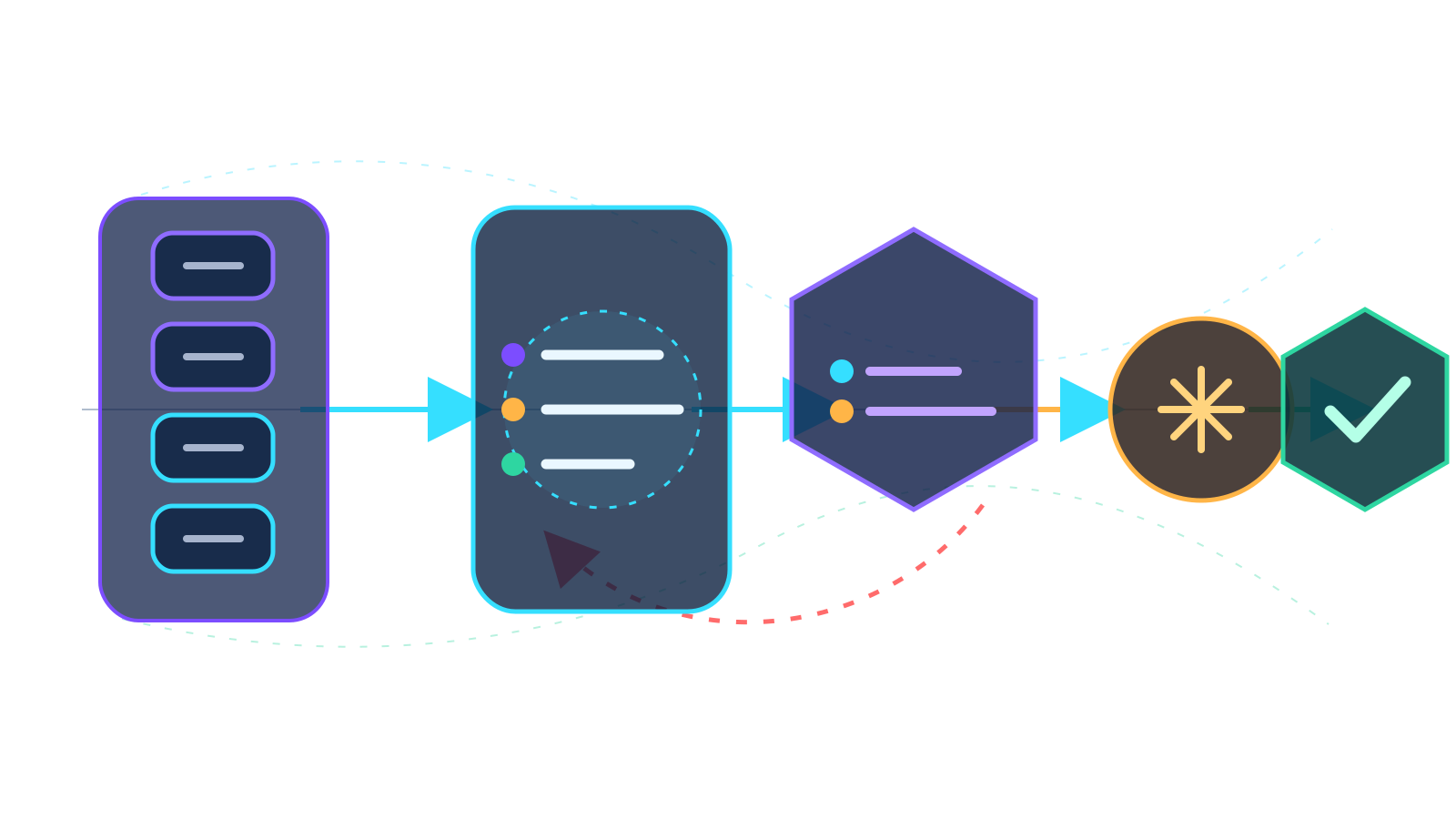
- Agent binding
- Model + prompt
- Tools + actions
- Policies
- Graphical Config Bench
- Evaluation
- Release candidate
- Approval gate
- Promoted version
- Revise and re-evaluate
CI/CD moves code. AI Evidence Plane governs the AI configuration around it.
Connect prompts, models, tools, policies, evaluations and approvals to the release that reaches production.
Graphical Config Bench
See the workflow before it runs.
Map the execution path, bind governed objects and expose configuration gaps before production.
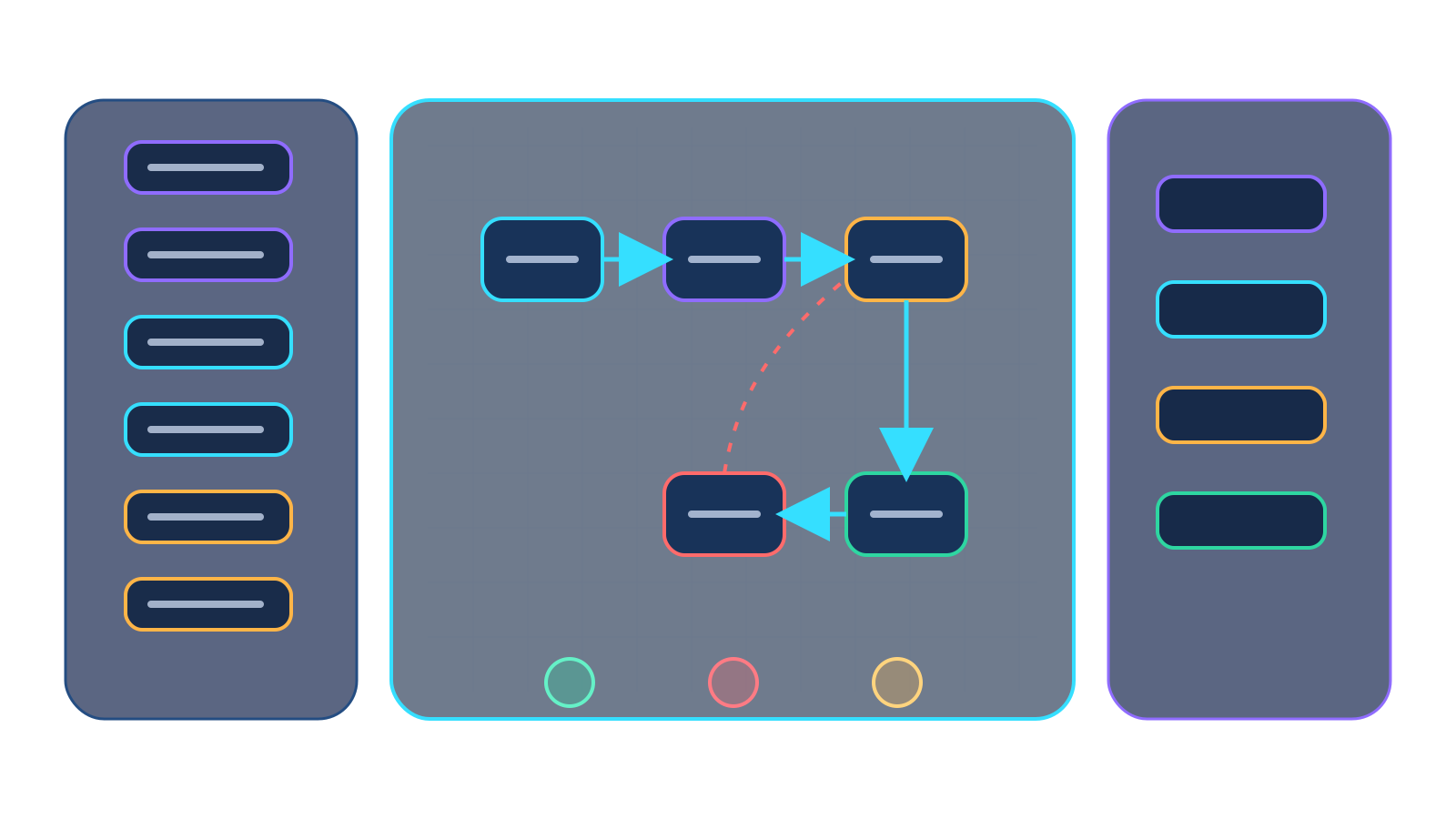
- Agent bindings
- Prompts
- Models
- Tools
- Policies
- Evaluations
- Intake
- Prepare
- Evaluate
- Human approval
- Commit
- Remediate
- Version
- Dependencies
- Approval status
- Validation state
- Complete
- Missing dependency
- Approval required
- Object libraryAgent binding · Prompt · Model · Tool · Policy · Evaluation
- Workflow pathPrepare → Evaluate → Approve → Commit
- RemediateCompact branch from Evaluate
- Inspector and release readinessVersion · Validation · Approval
Less custom wiring · Earlier validation · Faster technical review
Test Before Promotion
Quality, safety and cost share one release gate.
Compare candidate configurations using evaluations, latency, token consumption and cost per successful outcome.
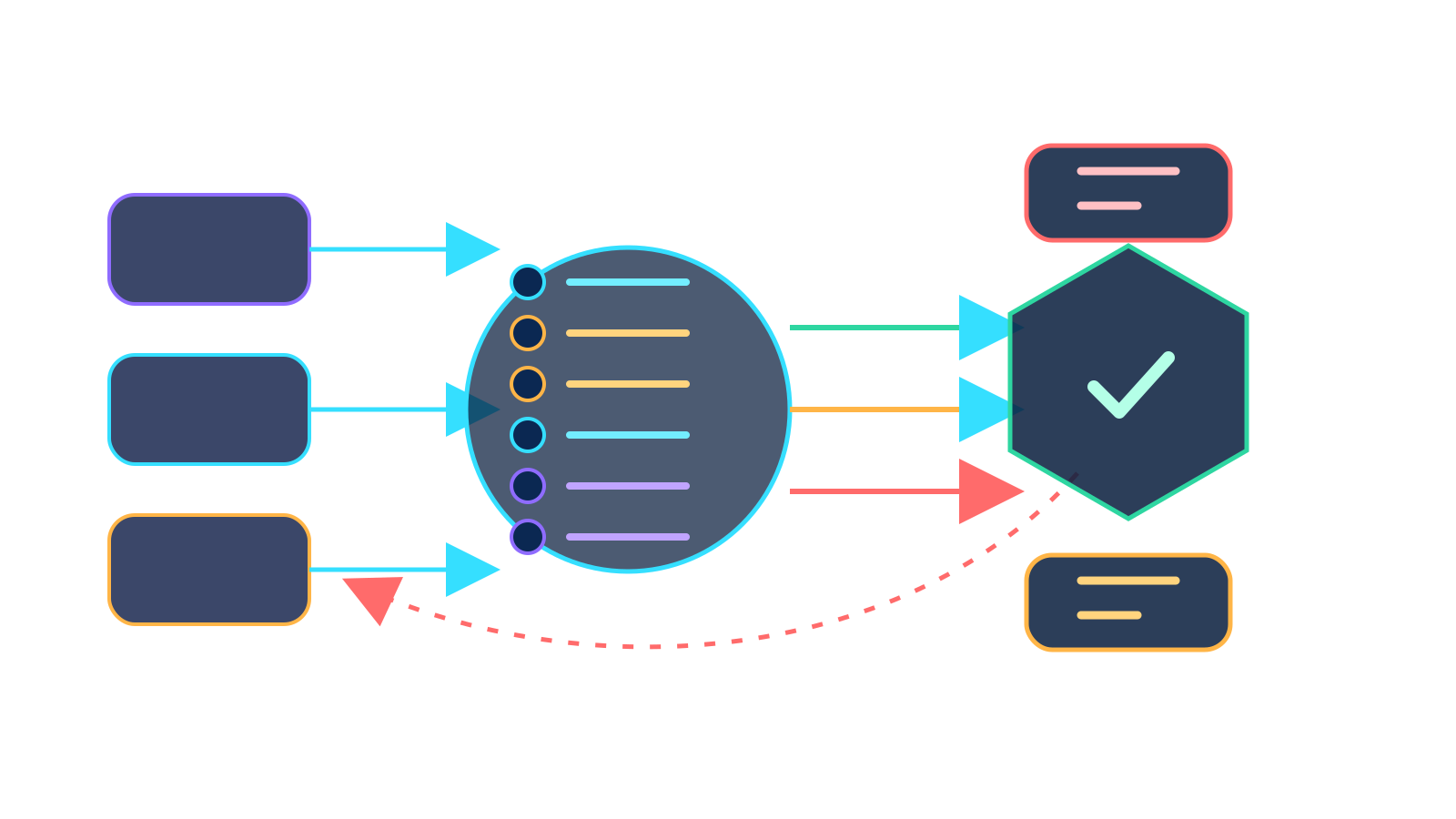
- Candidate A
- Candidate B
- Candidate C
- Task quality
- Safety
- Policy compliance
- Latency
- Token consumption
- Estimated model cost
- Approved candidate
- Needs review
- Failed threshold
- Return to configuration
- Candidates
- Quality · Safety · Policy
- Latency · Tokens · Cost
- Release gate
- Approved candidate
- Needs review
- Failed thresholdReturn to configuration
Optimise for successful outcomes, not tokens alone.
Versioned Registry
Reuse approved objects without losing lineage.
Keep workflow dependencies discoverable, versioned and connected to every release.
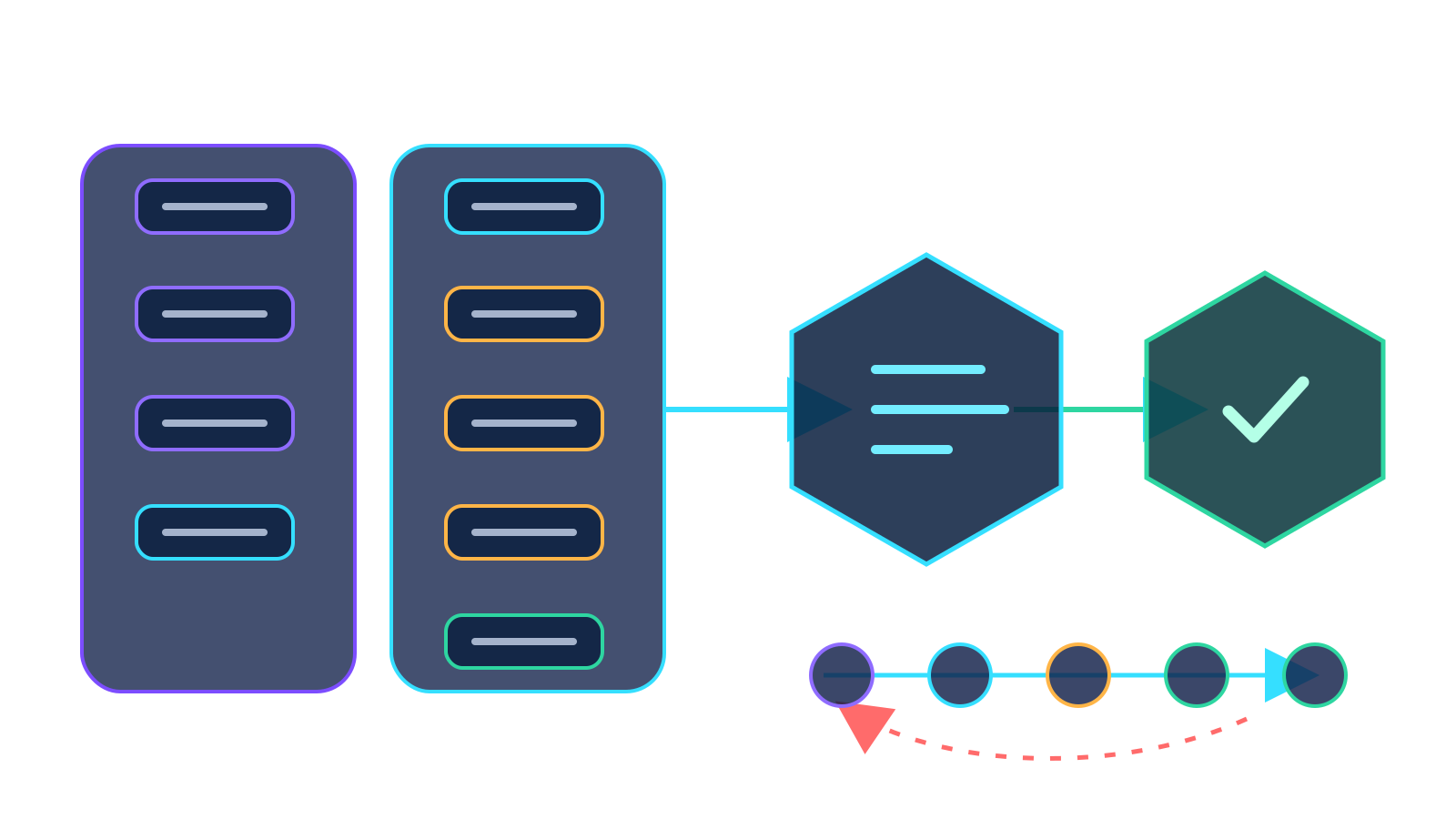
- Agent binding
- Prompt v11
- Prompt v12
- Model
- Tool
- Policy v4
- Policy v5
- Evaluation v7
- Approval profile
- Release candidate
- Versioned release
- Draft
- Compare
- Evaluate
- Approve
- Promote
- Rollback to previous approved prompt
- Registry objectsAgent binding · Prompt · Model · Tool · Policy · Evaluation
- Exact versions resolvedPrompt v11 → Prompt v12 → Approved
- Release candidate
- Approved version
- Rollback referencePrevious approved version
Version, compare, evaluate, approve and safely restore prompts.
Release Authority
Separate who builds from who approves and promotes.
Role and object permissions reduce unauthorised change while preserving a clear path to release.
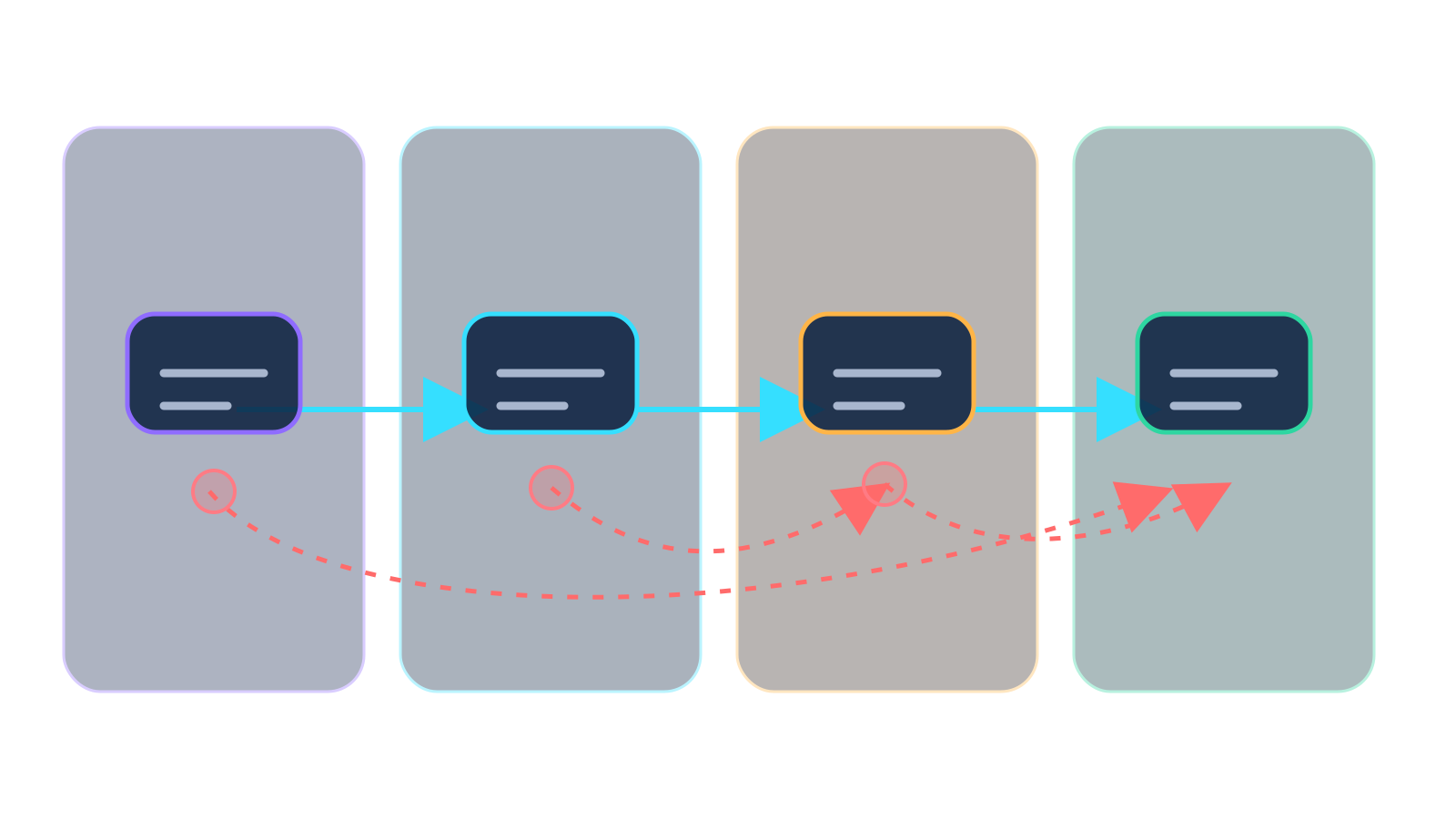
- Author
- Reviewer
- Approver
- Operator
- Draft
- Review
- Approve
- Promote
- Author cannot self-promote
- Reviewer cannot bypass approval
- Unapproved versions cannot reach production
- AuthorCreates a draft.
- ReviewerValidates and evaluates.
- ApproverAccepts or rejects.
- OperatorPromotes or rolls back.
- Unapproved versions cannot reach production.
Controlled Promotion
Every promoted change carries its evidence.
The approved configuration, evaluation results and release decision remain connected to the version running in production.
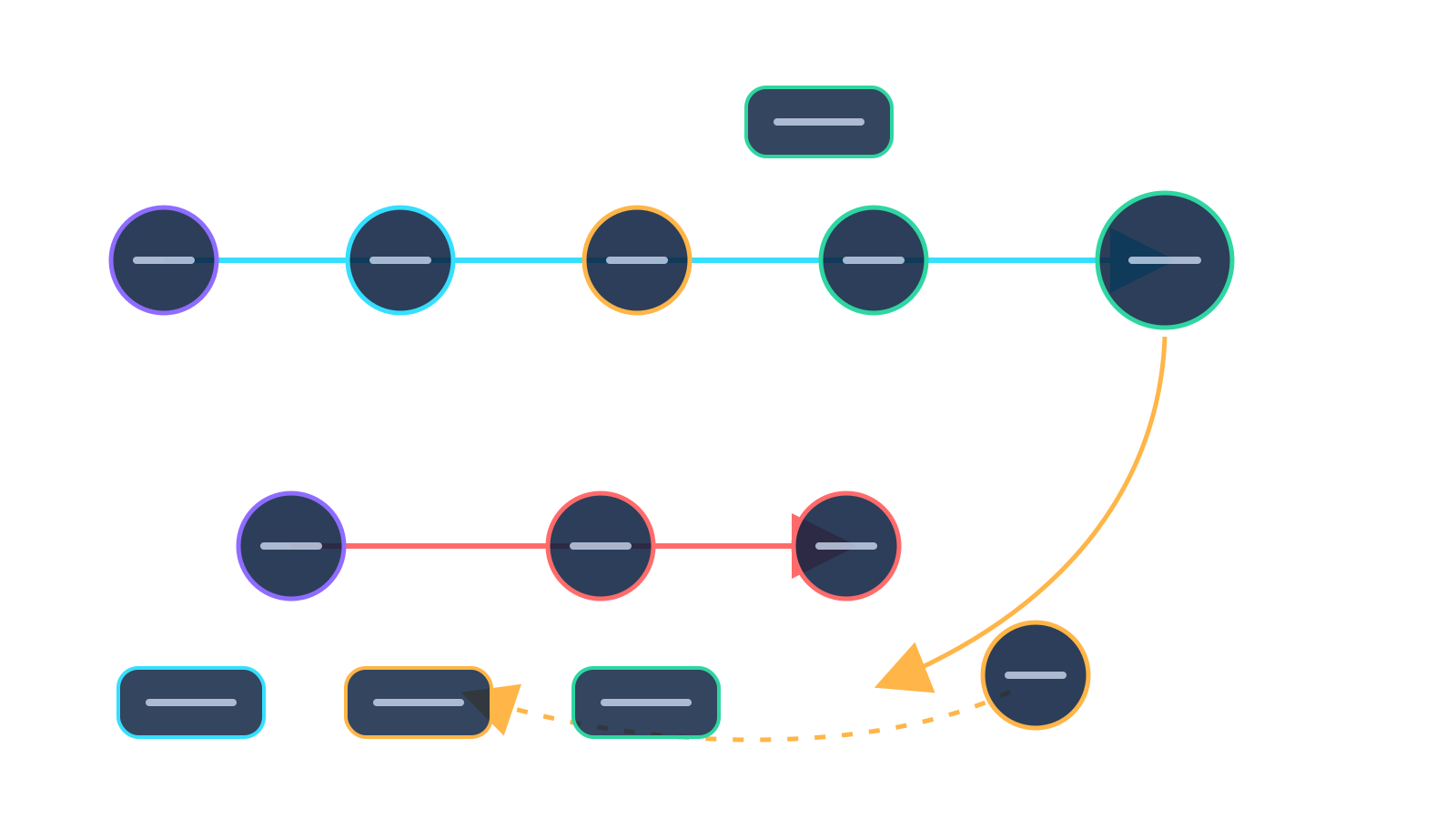
- Draft v12
- Tested v12
- Evaluated v12
- Approved v12
- Production v12
- Draft v13
- Failed evaluation
- Not promoted
- Previous approved version v11
- Governed rollback
- Configuration versions
- Evaluation results
- Approval decision
- Promotion event
- Draft v12
- Tested v12
- Evaluated v12
- Approved v12
- Production v12
- Draft v13
- Failed evaluation
- Not promoted
- Previous approved version v11Governed rollback
- Evidence remains connectedConfiguration versions · Evaluation results · Approval decision · Promotion event · Rollback decision
Designed To Enable
Designed to enable
- Faster workflow configuration
- Earlier release validation
- Fewer configuration errors
- Controlled token spend
- Safer promotion and rollback
Design-Partner Pilot
Bring one AI workflow. Leave with a governed release path.
Map the workflow, evaluate one candidate and define the approval path to production.
Discuss one workflow